The costliest mistake in your 20s: showing off on credit
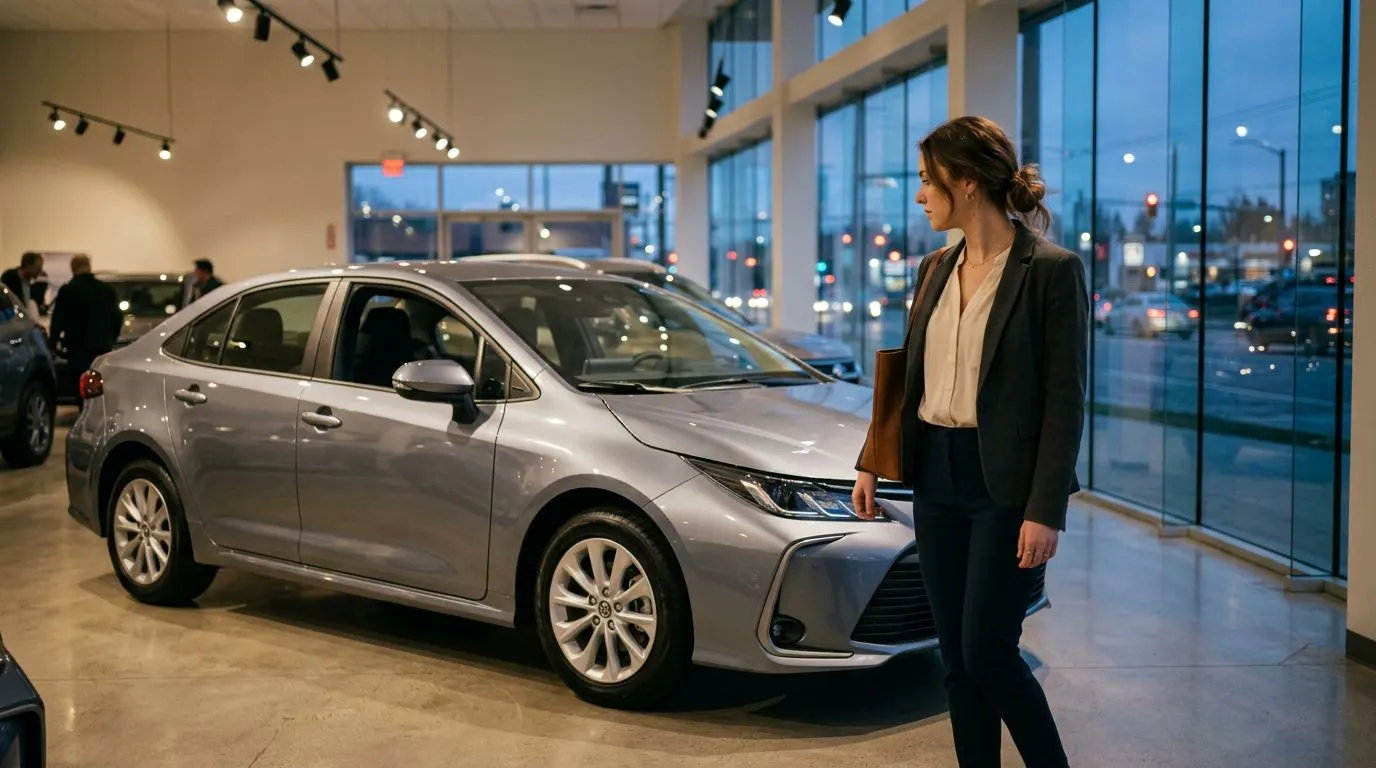
A first paycheck feels like freedom to most young people. Yet a single borrowing decision in this period can leave a burden that lasts for years.
In Brief
- Ages 18 to 28 are when savings have the longest runway to grow and money is at its most powerful.
- Average total debt in this age group sits at about $34,000.
- The most common trap is taking on needless high-interest debt out of a sense of “I deserve this.”
The decade when money is strongest
Every dollar at the start of a career carries the longest growth runway ahead of it. That is why money saved in your 20s does far more work than money saved later on.
The catch: these are also the years of peak spending pressure. Student life has just ended, wants have piled up, and showing off still looks like “a better life.”
The price of a trouble-free vehicle
A typical example: a fully paid-off, reliable, low-mileage pickup truck. Then a job offer arrives, and the thought kicks in: “now I need to look the part.”
The truck goes in as a trade-in, and a used but more prestigious sedan is bought with a low down payment. The term is 60 months at 9.25% interest. With a thin credit history, a co-signer is needed too; the monthly payment is $267.
The result: before the first retirement account is opened or the first dollar saved, a high-interest auto loan begins. The car may look cool, but the balance sheet certainly does not.

Gen Z debt in numbers
This trap is not reserved for poor decision makers; even financially careful people can fall into it. Gen Z’s debt picture makes that clear.
- Average student loan debt among those who have it: about $22,000
- Average auto debt among those who have it: about $21,000
- Average mortgage among homeowners: about $262,000
- Average credit card balance among those who carry one: about $3,500
Across the whole 18 to 28 age group, including those with no debt, the average is about $34,000. Starting life in the hole means spending a large part of the most powerful years paying down debt.

The real issue: opportunity cost
The cost of high-interest debt is not just the interest paid. Every monthly payment comes out of the savings that have the longest time to grow.
Carrying a credit card balance is one of the most expensive habits for the same reason. Swapping a debt-free asset for a financed status symbol makes the image stronger and the finances weaker.
Key Assets
| Asset | Outlook | Why? | Key Level |
|---|---|---|---|
| Auto loan | Under pressure | Long term and high rate delay saving | 9.25% rate, 60 months |
| Credit card balance | Negative | Balances carried, interest burden grows | ~$3,500 |
| Student loans | Watching | A significant burden at career start | ~$22,000 |
| Early savings | Positive | Money with the longest growth runway | Ages 18-28 |
What to Watch
- The “I deserve this” feeling is the most common trigger for status purchases made on credit.
- A loan that needs a co-signer signals that credit history is not yet strong enough to carry that debt.
- Every year that starts with debt is taken from the most productive growth period for savings.
This note was compiled from open-source data and content available online; it does not constitute investment advice.
This article is for general information only and is not investment advice.